

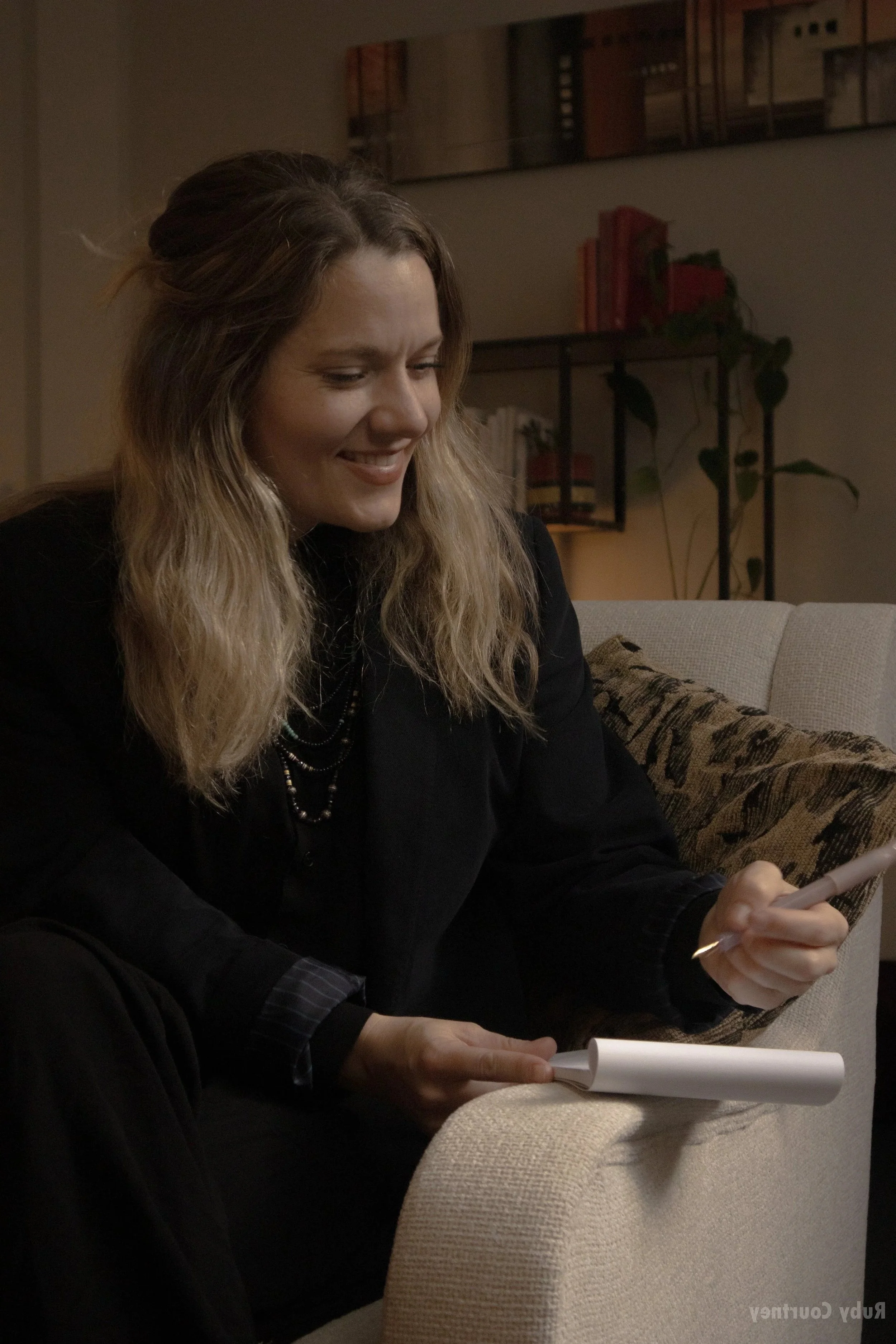
Registered Psychologist, MSc, PGDipPsychPrac
My interest in relationships has been shaped by the roles I’ve held throughout my life as a daughter, friend, partner and leader. I’ve seen how the quality of our relationships directly influences how we think, feel, and operate day to day. My professional experience has sharpened this into a clear focus: using the dynamics of relationships to help people become more effective leaders in their personal lives by transforming their relationship with discomfort and learning skills that will support their psychological wellbeing.
Before becoming a psychologist, I spent four years working with young people in state care, which taught me the impact that disrupted relationships has on our next generation. I then spent five years working therapeutically with adults in the family violence and addiction sector, delivering group rehabilitation programmes. I later continued this work as a provisional psychologist in a prison, delivering group therapy to men with histories of serious violence. Through this work, I have come to see how our relationships across the lifespan have a direct impact on our neurobiology, attachment, and capacity to manage interpersonal differences.
This work developed my ability to stay composed under pressure, engage directly with difficult material, and build trust through consistency. It strengthened my capacity to work without judgement while maintaining clear boundaries, with a strong focus on accountability and change. These principles underpin my work.
Peggy Barrett
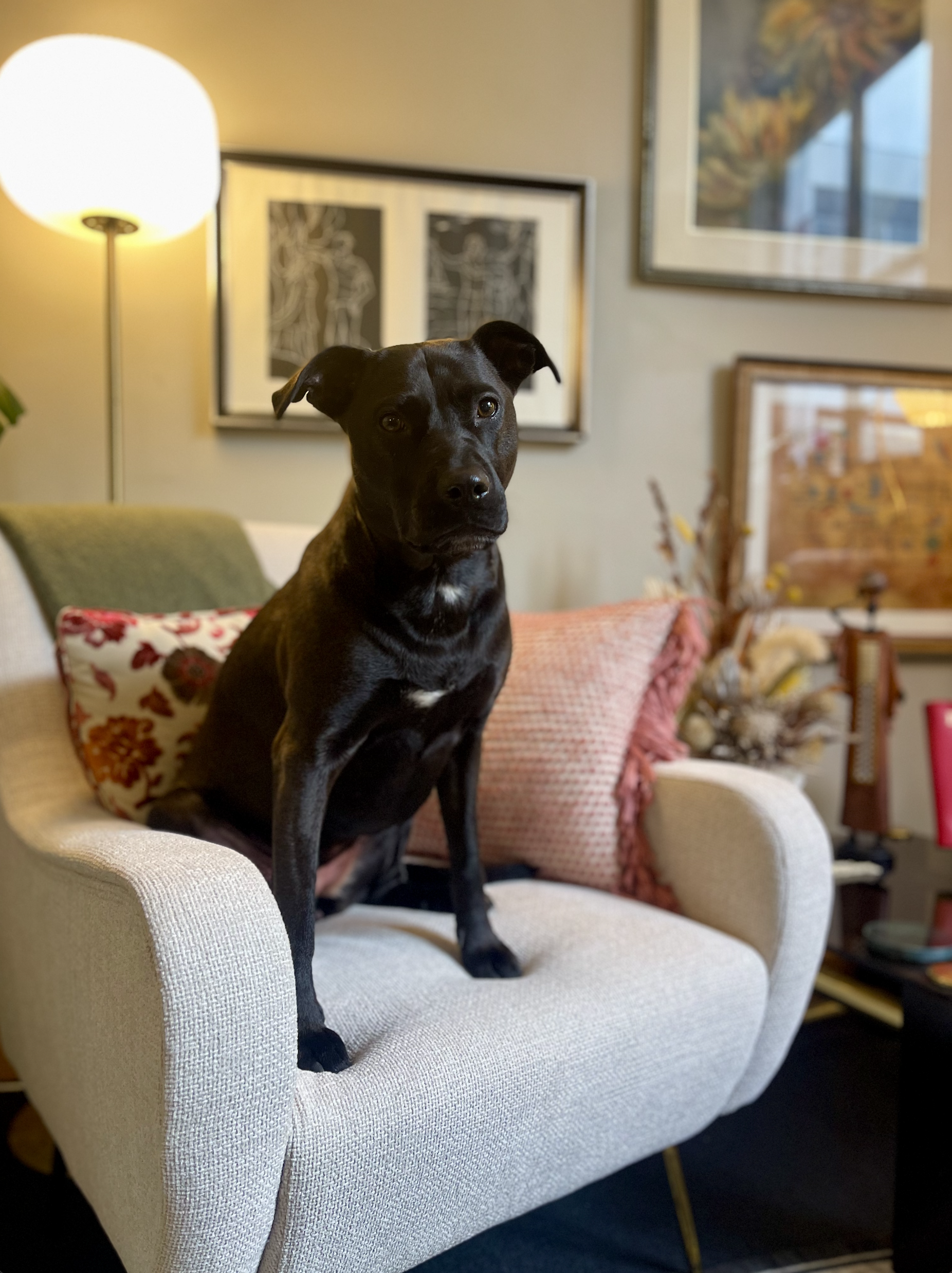
Certified Good Girl
Mini began her career in therapy as a young pup, spending her first two and a half years on the job supporting people in addiction services. Her clinical approach consists largely of empathetic companionship, enthusiastic greetings, strategic humour, and an uncanny ability to know when someone needs a little extra softness.
As she gained experience, Mini expanded her therapeutic work to include foster puppies who arrived anxious and unsure of the world. She helped them settle into home life, adjust to new routines, learn that people could be safe, and gradually grow into confident little dogs ready for their next chapter.
These days, Mini brings those years of experience to Lux Psychology. She has no formal qualifications, questionable professional boundaries around snacks, and often sleeps on the job, but remains extremely committed to her work.
Mini
My Style

Real Conversations
I show up as myself, so you can too. That’s what allows for honest conversations that usually get avoided.

Action-Oriented
Just talking in therapy isn’t enough. Sessions balance insight with skills so that you can take ownership over your journey and watch your relationships transform.

Forward-Focused
Sessions have a clear direction. We focus on moving things forward, rather than going over the same ground.

Integrated
Skills are kept simple and usable. The focus is on what is workable in your day to day.

Private & Respectful
Relationships are personal, and it can feel exposing to talk about them. I work in a way that’s discreet, professional, and mindful of that.
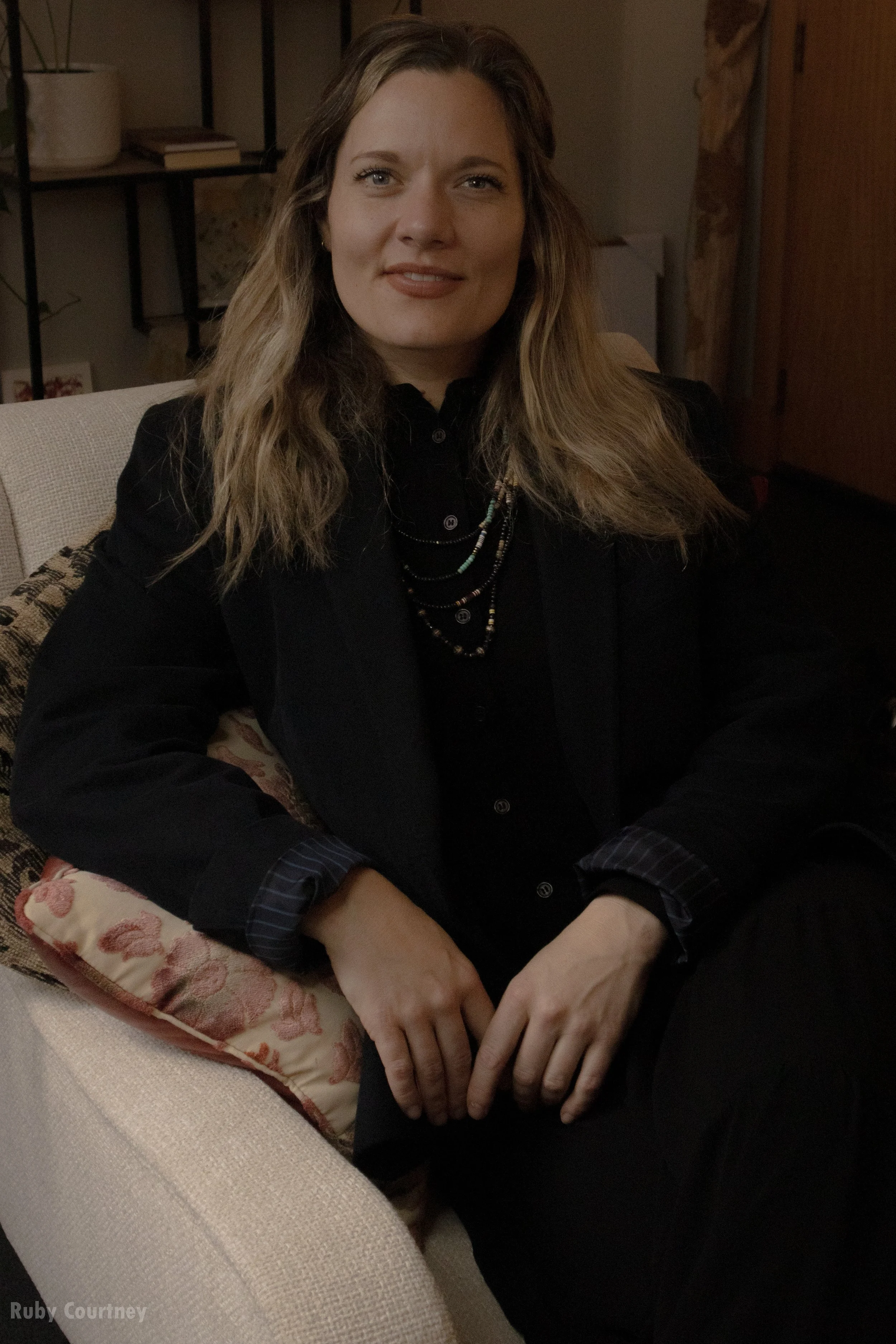
Therapeutic Approach
My therapeutic approach is flexible, collaborative, and tailored to your individual needs. When working with individuals, I primarily draw from Acceptance and Commitment Therapy (ACT) and while integrating concepts from Cognitive Behavioural Therapy (CBT), Compassion Focused Therapy, and the Dialectical Behaviour Therapies (DBT/RO-DBT) where helpful. My approach is also informed by attachment and relational theory, and understands people in the context of their close relationships.
Sessions are structured in a practical and integrative way to help you develop a deeper understanding of your experience while learning skills and strategies so that you can keep moving towards a life that matters.
The Developmental Model of Couples Therapy | Bader-Pearson
The approach that I use with couples understands relationship conflict as a normal and meaningful part of growth rather than a sign something is wrong. It views relationships as an evolving process that is meant to change with time, and difficulties with conflict as a sign that couples are at a stage that requires new capacities from the relationship.
When working with me, I assume both partners are doing the best they can with the skills and awareness they currently have. Our work together focuses on building capacity: understanding patterns, recognising developmental challenges, and responding with more intention.
Rather than focusing only on communication skills, this model works at a deeper level by developing necessary skills for growth in self-awareness, emotional regulation, and the ability to stay connected in the presence of difference.

Men’s Mental Health
Many men want support, but are less likely to seek therapy or stay engaged in it. Research shows men often respond better to approaches that are practical, structured, and focused on action, rather than only talking about feelings.
I work in a way that helps you stay connected to the process without feeling judged, overwhelmed, or out of your depth emotionally. Sessions are direct, grounded, and focused on building insight, communication, and practical change that carries into everyday life.